
Are You a Sociopath? Why Shy Introverted Men Keep Getting Asked This
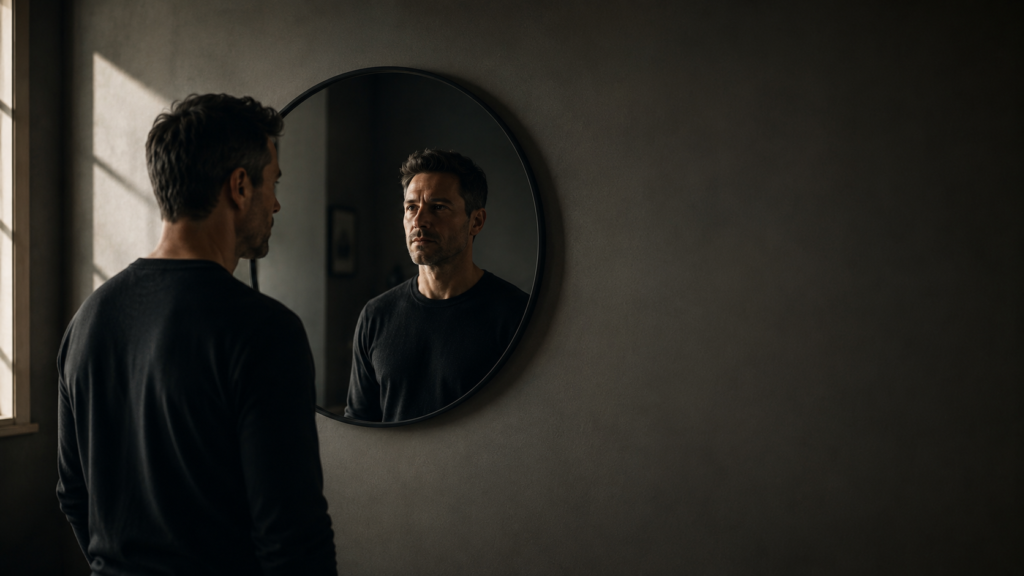
I’ve been asked that question more times than I can count.
Not by strangers.
By women who were close to me.
Women who couldn’t figure out why I never chased them.
Never begged.
Never fell apart when they pulled away.
To them, that looked broken.
To me, it just felt normal.
There’s a difference between not feeling and not needing.
Most people have never met a man who genuinely doesn’t need anything from them.
So when they finally do…
They don’t have a word for it.
“Sociopath” is the closest thing they can find.
If you’re a shy introverted man you’ve probably wondered this about yourself.
The Question Every Shy Introvert Asks Alone
Not out loud.
Not to anyone you know.
But alone…
Late at night…
After someone called you cold for the third time this year.
You’ve thought:
Maybe something is wrong with me.
Maybe I don’t feel things the way other people do.
Maybe I’m broken in some way I can’t fix.
I’m here to tell you something nobody else is going to say.
You’re not broken.
You’re just free in a way most men never get to experience.
And the people calling you a sociopath aren’t reacting to something that’s wrong with you.
They’re reacting to something they’ve rarely seen.
What a Sociopath Actually Is
A sociopath doesn’t feel.
Full stop.
No empathy.
No connection.
No genuine care for anyone.
That’s not you.
You feel everything.
You just don’t need anything back.
Those are completely different things.
And the gap between them is where your entire advantage lives.
The man who doesn’t need her approval isn’t cold.
He’s the only man in the room who’s actually present.
He’s not performing.
He’s not managing her emotions so she’ll stay.
He’s simply there…
Complete…
With or without her response.
That’s not a disorder.
That’s one of the rarest forms of confidence a man can have.
Why Calm Looks Like Coldness
Here’s what most people never realize.
Human beings don’t judge your emotions.
They judge your reactions.
If someone pulls away…
They expect you to chase.
If someone ignores you…
They expect anxiety.
If someone rejects you…
They expect disappointment.
Those reactions have become so normal that people mistake them for proof of love.
So when you don’t react…
Their brain immediately starts looking for another explanation.
“He doesn’t care.”
“He’s emotionally unavailable.”
“Maybe something’s wrong with him.”
It’s a psychological shortcut.
People assume that if they can’t see your emotions…
You must not have them.
But that’s like assuming someone has no confidence because they don’t brag.
Or no intelligence because they don’t argue.
They’re confusing the absence of a performance…
With the absence of a feeling.
Those aren’t the same thing.
A shy introverted man who doesn’t panic when someone leaves isn’t necessarily less emotional.
He may simply be less dependent on the outcome.
And that’s what makes people uncomfortable.
Most people are used to relationships built on reassurance.
Constant texting.
Constant validation.
Constant proof.
When someone comes along who genuinely likes them…
But doesn’t need them…
It breaks their mental model.
They don’t know what they’re looking at.
So they give it a name.
Cold.
Aloof.
Emotionally unavailable.
Sometimes…
“Sociopath.”
Not because that’s what you are.
Because it’s the closest explanation they have for behavior they’ve rarely seen.

There’s a difference between emotional emptiness…
And emotional independence.
One is a disorder.
The other is freedom.
I’ve Lived This
I’ve seen this play out more times than I can count.
A woman would pull away expecting me to chase.
I didn’t.
She’d go quiet expecting me to panic.
I stayed exactly the same.
She assumed that meant I didn’t care.
It didn’t.
It meant my feelings weren’t dependent on her response.
There’s a difference.
Ironically…
Many of the women who called me cold…
Emotionally unavailable…
Or impossible to read…
Eventually came back.
Not because I convinced them.
Not because I played games.
Because calmness creates a kind of curiosity that neediness never can.
What You Do With This
Stop trying to fix the thing that’s working.
Your quietness.
Your stillness.
The fact that you don’t fall apart when someone creates distance.
Those aren’t flaws.
They’re strengths that have probably been misunderstood your entire life.
The biggest mistake shy introverted men make is believing they need to become someone else.
More outgoing.
More expressive.
More confident.
I don’t think that’s the answer.
I think the answer is understanding why you’ve been misunderstood in the first place.
Once you understand that…
You stop apologizing for qualities that never needed fixing.
You just needed someone to explain them.
Now you know.
If This Felt Uncomfortably Familiar…
Then you’ve probably spent years trying to fix something that was never broken.
That’s exactly why I wrote They Told You to Be Nice. They Lied.
The article explains one idea.
The book explains the philosophy behind it.
If you’ve ever wondered why people keep misunderstanding your quietness…
I wrote it for you.
They Told You to Be Nice. They Lied.
About the Author
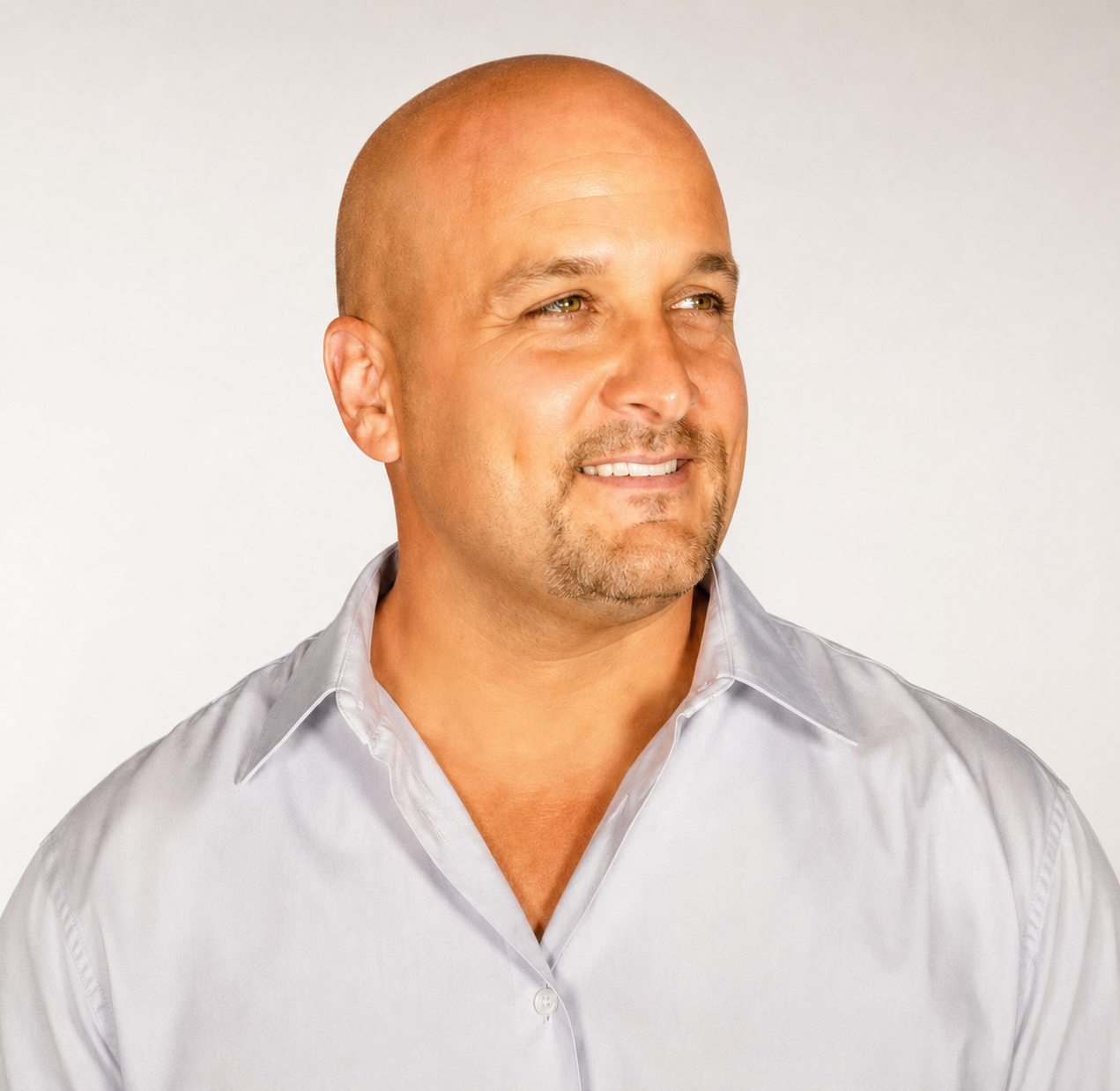
Tony Reed
I’ve never asked a woman for her phone number. Not once. This website exists because I spent years trying to understand why that happened. What it teaches about attraction, confidence, emotional independence, and the quiet strength most men spend their lives trying to fake. If my writing resonates with you, I think you’ll enjoy The Quiet Confidence Letter, where I share one new idea each week for men who think too much and say too little.